

Hyaluronic Acid vs. Snail Mucin: Which One Does Your Skin Actually Need?
Hyaluronic Acid vs. Snail Mucin
Which One Does Your Skin Actually Need?
Two of the most talked-about skincare ingredients explained — and how to choose between them based on your skin's real needs.
If you've spent any time researching skincare, you've probably seen these two ingredients everywhere — on Reddit threads, TikTok routines, and product labels. But what do they actually do? And more importantly, which one does your skin need right now?
In 2026, skincare is moving away from complicated 10-step routines and toward intentional, ingredient-led choices. People want to understand what they're putting on their face and why — not just follow trends. This guide breaks down both ingredients honestly, so you can make the right call for your skin type.
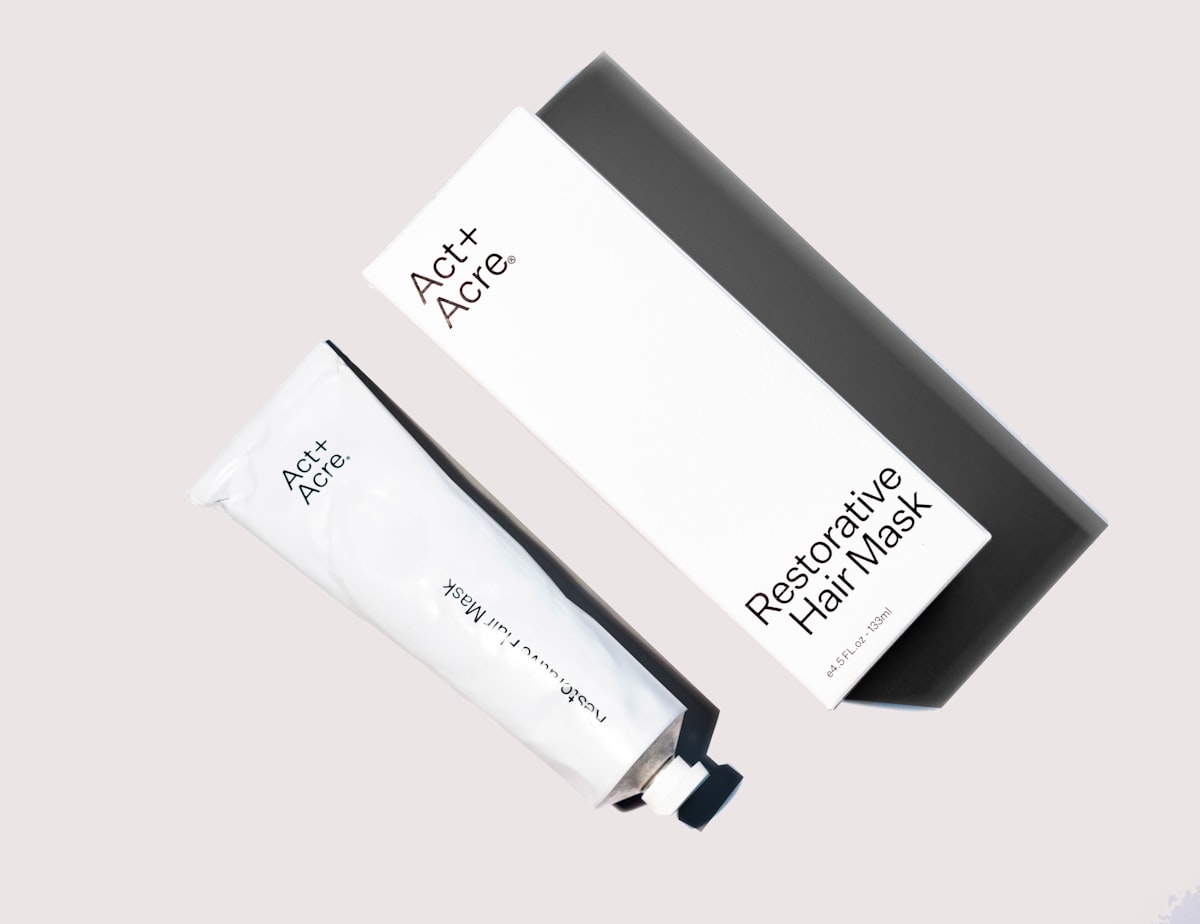
Understanding your ingredients is the first step to a routine that actually works.
What Is Hyaluronic Acid?
Hyaluronic acid (HA) is a molecule your body produces naturally — it's found in your skin, joints, and eyes. Its superpower is its ability to hold up to 1,000 times its weight in water, making it one of the most powerful hydrating ingredients in skincare science.
When applied topically, HA draws moisture from the environment and from deeper layers of the skin up to the surface, plumping it from within. The result is smoother, bouncier, more radiant skin — often visible within minutes of application.
Who benefits most from Hyaluronic Acid?
- People with dry, dehydrated, or dull skin who need an immediate hydration boost
- Anyone with fine lines or early signs of ageing — HA plumps the skin and temporarily reduces their appearance
- Sensitive skin types, as HA is non-irritating, fragrance-free, and universally tolerated
- Those in dry climates or air-conditioned environments where skin loses moisture quickly
- Anyone who wants a lightweight, fast-absorbing hydrator that works under makeup
Apply hyaluronic acid serum to damp skin — not dry skin. HA needs moisture to draw from. If your skin is dry when you apply it, it will pull moisture from the deeper layers instead, which can actually increase dryness. Always follow with a moisturiser to seal it in.
What Is Snail Mucin?
Snail mucin — or snail secretion filtrate — is a bioactive fluid produced by snails that contains a complex mix of glycoproteins, hyaluronic acid, glycolic acid, zinc, and allantoin. It sounds unusual, but it's been used in skincare for decades and has a substantial body of research supporting its effectiveness.
What makes snail mucin remarkable is its multi-functional nature. It doesn't just hydrate — it also repairs, soothes, brightens, and strengthens the skin barrier simultaneously. It's the ingredient you reach for when your skin needs more than just moisture.
Who benefits most from Snail Mucin?
- People with acne-prone skin — snail mucin reduces post-acne marks and speeds up skin healing
- Anyone dealing with uneven skin tone, hyperpigmentation, or dullness
- Skin that feels rough, congested, or textured — the glycolic acid component gently exfoliates
- Mature skin that needs both hydration and repair support simultaneously
- People whose skin barrier has been damaged by over-exfoliation or harsh products
The Key Differences at a Glance
Primary benefit: Deep hydration
Best for: Dry, dehydrated, sensitive skin
Results: Immediate plumping and glow
Texture: Lightweight gel or serum
Works on: All skin types
Key action: Moisture binding
Primary benefit: Repair and hydration
Best for: Acne-prone, uneven, ageing skin
Results: Progressive skin improvement
Texture: Slightly thicker gel
Works on: Most skin types
Key action: Barrier repair and brightening
The honest answer is — you don't always have to choose. These two ingredients work beautifully together. HA hydrates while snail mucin repairs — they target different mechanisms and don't compete. Apply HA serum first on damp skin, then snail mucin on top to seal and repair.
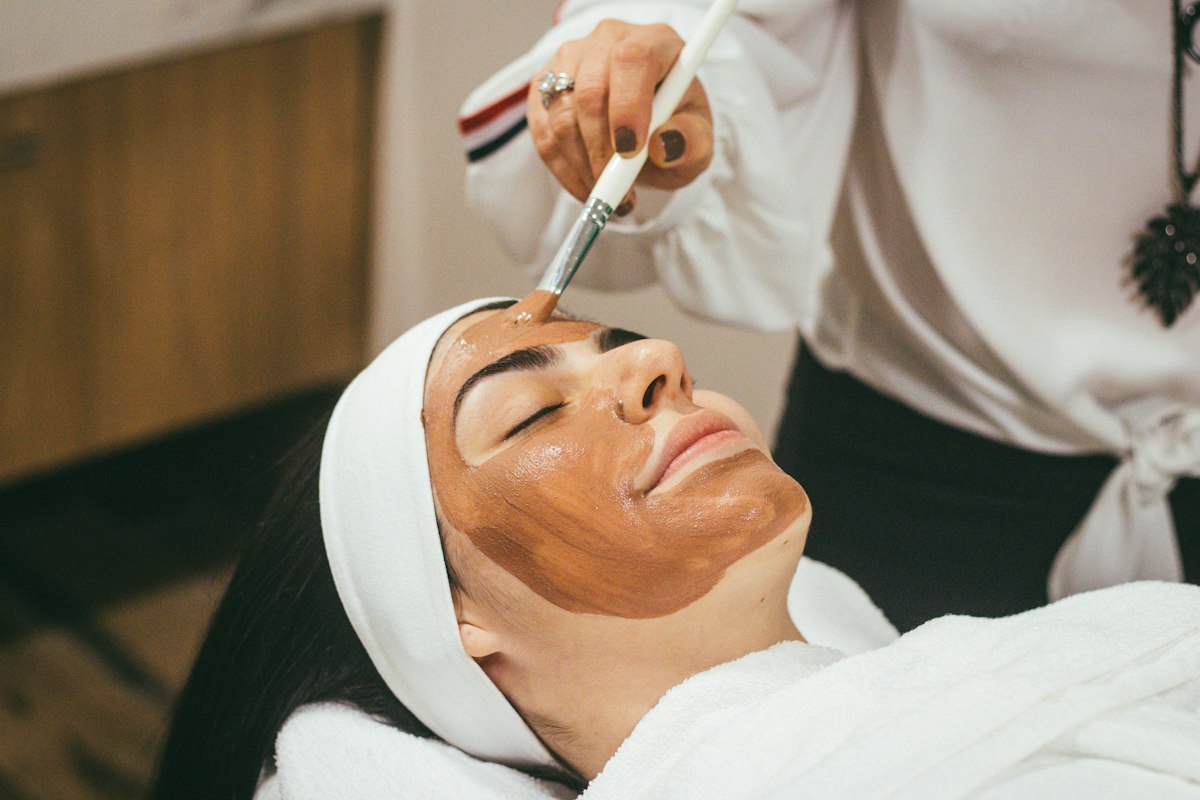
Layering the right ingredients in the right order is what separates a good routine from a great one.
The D-Products Skincare Picks
Both ingredients are central to D-Products' beauty collection. Here are the specific products that put these ingredients to work for your skin:


How to Build Your Routine Around These Ingredients
- Cleanse — always start with a clean base so actives can absorb properly
- Hyaluronic acid serum — apply to slightly damp skin immediately after cleansing
- Snail mucin mask — layer over the HA or use on alternating evenings
- Moisturiser — seal everything in with the Watermelon Hydro Glow Cream
- SPF in the morning — always finish your daytime routine with sun protection
- Mask treatment 2–3 times weekly — use the Gold Foil Snail Mask as a weekly treatment for deeper repair
Consistency beats complexity. A simple routine with two or three good ingredients used daily will always outperform a 10-step routine used sporadically. Pick your core ingredients, understand what they do, and commit to them for at least 4 weeks before judging the results.
Your Skin Deserves Ingredients That Work
Whether you need deep hydration, barrier repair, or both — knowing your ingredients is what separates a routine that transforms your skin from one that just adds steps. Start with what your skin needs most and build from there.
Explore the full D-Products Beauty Collection and find exactly what your skin is asking for.
How to Create a Spa Experience at Home
What Ingredients Should You Avoid in Baby Skincare?
Related Posts

Why Motion Sensor Night Lights Are the Simplest Upgrade You Can Make to Your Home?

Smart Watch vs. Fitness Tracker: Which One Is Right for Your Health Goals?

What Ingredients Should You Avoid in Baby Skincare?
